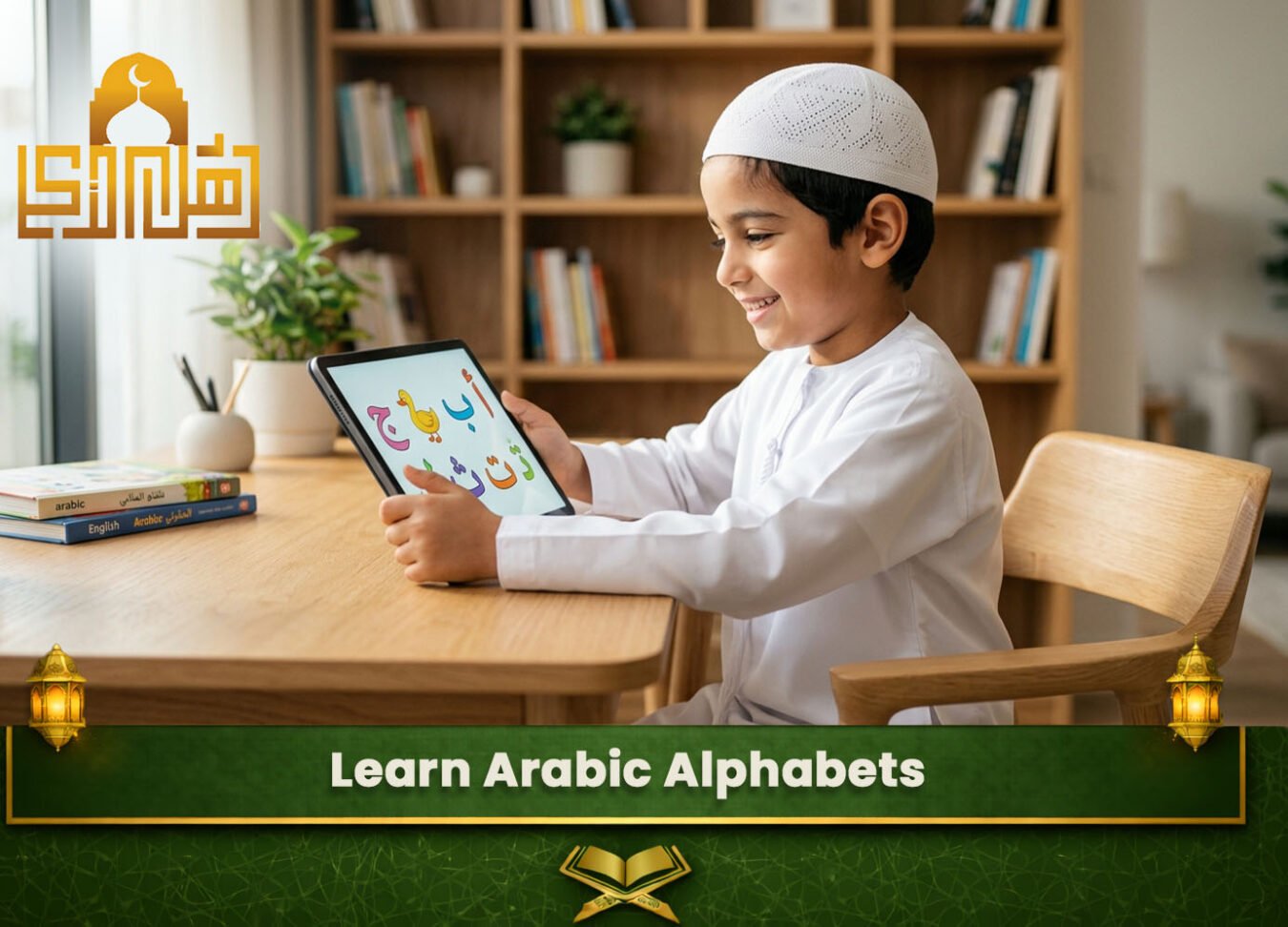
Learn arabic online has become one of the most effective ways to master the language, and Ahl alzekr Arabic academy provides a structured path for learners at all levels.
Online learning allows students to study Arabic anytime and anywhere, making it ideal for busy schedules. With guided lessons, learners can build strong skills in reading, writing, listening, and speaking step by step.
Arabic may seem challenging at first due to its unique script and pronunciation, but consistent practice makes it easier. Through organized courses and daily exposure, students can achieve steady progress and develop real confidence in using the language effectively.
Why Arabic is Worth Learning

Learn Arabic Online
Arabic is not just a language; it is a gateway to history, culture, religion, and global communication. Spoken by more than 400 million people across the Middle East and North Africa, it stands as one of the most influential languages in the world today.
It is also one of the six official languages of the United Nations, giving it major importance in diplomacy, international relations, and global business.
For many learners, Arabic goes beyond communication, as it is deeply connected to Islamic heritage, classical literature, and centuries of scientific and philosophical contributions. In today’s world, Arabic skills also create strong career opportunities in various international fields.
Online Quran Academy
Online Quran Academy learning provides a flexible way for students to study the Holy Quran with proper guidance and structured lessons. It helps learners improve recitation, understand Tajweed rules, and build a strong connection with the Quran from anywhere in the world.
Ahl alzekr Arabic academy offers a well-organized program that supports students step by step with qualified teachers and interactive sessions. The academy focuses on correct pronunciation, steady progress, and consistent practice, making it easier for learners of all levels to achieve confidence and accuracy in reading the Quran.

Learn Arabic Online
The History and Evolution of the Arabic Language
Arabic has a long and fascinating history that stretches back more than a thousand years. It developed as part of the Semitic language family and gradually evolved into one of the most structured and expressive languages in the world.
Classical Arabic became widely known through pre-Islamic poetry and later through the Qur’an, which played a major role in preserving and standardizing the language. Over time, Arabic expanded across continents through trade, scholarship, and cultural exchange.
During the Islamic Golden Age, Arabic became the language of science, mathematics, medicine, and philosophy. Many Greek and Roman texts were translated into Arabic, preserving knowledge that might have otherwise been lost to history.
Today, Arabic continues to evolve into Modern Standard Arabic, which is used in education, media, and formal communication, while regional dialects are spoken in daily life across different countries.
Why Learning Arabic Matters Today
There are many reasons why people choose to study Arabic. Some are drawn to its cultural richness, while others are motivated by professional goals or personal interest.
Arabic is widely spoken across more than 20 countries, making it one of the most geographically influential languages. Whether traveling, working abroad, or engaging in international projects, knowing Arabic provides a significant advantage.
Many learners also find value in understanding Islamic texts in their original form. This spiritual connection adds deeper meaning and motivation to the learning process.
In addition, globalization has increased demand for Arabic speakers in fields such as international business, education, media, and diplomacy.
Learn also: online quran academy australia
Understanding the Basics of Arabic
Before diving into advanced learning, it is important to understand the foundational elements of the language.
The Arabic Alphabet
The Arabic alphabet consists of 28 letters and is written from right to left. Unlike English, each letter can change its shape depending on its position in a word—beginning, middle, end, or standalone.
This feature gives Arabic its unique visual flow and artistic appearance. While it may seem unfamiliar at first, learners quickly adapt with practice.
Pronunciation Challenges
Arabic includes sounds that do not exist in many other languages. Letters such as ع, ح, خ, and ق require practice and listening to native speakers. At first, these sounds may feel difficult, but consistent exposure helps learners improve significantly over time.
Basic Words and Greetings
Most beginners start with simple expressions such as:
- السلام عليكم (Peace be upon you)
- مرحبا (Hello)
- شكرا (Thank you)
- نعم (Yes)
- لا (No)
These basic phrases build confidence and create a foundation for everyday communication.
Modern Standard Arabic vs. Dialects
One of the most important concepts for learners is the difference between Modern Standard Arabic (MSA) and local dialects.
MSA is used in formal writing, education, news broadcasts, and official communication. It is the standard form taught in most learning environments.
Dialects, on the other hand, vary from country to country. For example, Egyptian Arabic differs significantly from Moroccan Arabic or Gulf Arabic. While dialects are useful for daily conversations, MSA provides a strong foundation for understanding all forms of the language.
Read also: egyptian quran tutor
Core Skills for Mastering Arabic
To become proficient in Arabic, learners must develop four key skills:
Reading
Reading helps learners recognize vocabulary, understand sentence structure, and build comprehension skills.
Writing
Writing improves memory and reinforces grammar patterns. It also helps learners express their thoughts clearly in Arabic.
Listening
Listening to Arabic media such as podcasts, news, or conversations improves pronunciation and understanding of natural speech.
Speaking
Speaking is essential for real-life communication. Practicing with native speakers or structured lessons builds confidence and fluency.
Learn also: online arabic lessons for adults
The Role of Online Learning in Arabic Education
Digital education has transformed the way languages are learned. Today, students can access high-quality resources from anywhere in the world. This flexibility is one of the main reasons why so many learners prefer to learn arabic language online instead of traditional classroom settings.
Online platforms provide interactive lessons, video sessions, and real-time feedback, making the learning experience more engaging and effective. Students can study at their own pace while still receiving structured guidance.
Many learners choose to learn arabic online because it allows them to balance education with work, travel, or personal responsibilities.
How to Start Learning Arabic Effectively
Starting a new language can feel overwhelming, but Arabic becomes much easier when approached step by step.
First, learners should focus on the alphabet and pronunciation. Once the foundation is strong, they can gradually move to vocabulary building and sentence formation.
Daily practice is essential. Even 15–30 minutes per day can lead to steady progress. Listening to Arabic audio, watching simple videos, and practicing writing can significantly improve retention.
Consistency is more important than intensity. Small daily efforts create long-term success.
Building a Strong Learning Strategy
A successful Arabic learning journey depends on strategy. Learners should combine multiple methods such as structured lessons, daily practice, and exposure to real Arabic content.
Watching Arabic media, reading simple texts, and practicing speaking with others are all effective ways to reinforce learning. Over time, these habits build natural understanding and fluency.
Why Consistent Practice is Essential for Mastering Arabic
One of the most critical elements in successfully learning Arabic is maintaining consistency. Like any language, Arabic cannot be mastered overnight; it requires steady effort, patience, and continuous exposure over time. Regular practice helps learners gradually become familiar with grammar rules, expand their vocabulary, and improve pronunciation in a natural and lasting way.
Even short but consistent daily study sessions can lead to significant progress within a relatively short period. The real key to success is not intensity but regularity—staying engaged with the language every day, even in small amounts, and avoiding long breaks that may interrupt learning progress or lead to forgetting what has already been learned.
Structured Learning with Ahl alzekr Arabic academy

Learn Arabic Online
One of the platforms that supports structured Arabic education is Ahl alzekr Arabic academy. It focuses on guiding learners through a clear step-by-step curriculum designed for beginners and advanced students alike.
Ahl alzekr Arabic academy provides organized lessons that cover reading, writing, listening, and speaking in a balanced way. This structured approach helps learners avoid confusion and build confidence gradually.
Another strength of Ahl alzekr Arabic academy is its focus on practical communication. Instead of memorization alone, students are encouraged to use the language in real conversations and exercises.
For many learners, combining consistency with guided instruction makes a significant difference in progress and fluency.
Frequently Asked Questions (FAQs)
This section provides quick answers to the most common questions learners have about studying Arabic online and starting their language learning journey.
1. How long does it take to learn Arabic?
It depends on the learner’s consistency and goals. Basic communication can take a few months, while fluency may require longer dedicated practice.
2. Is Arabic difficult to learn for beginners?
Arabic can be challenging at first due to its script and pronunciation, but with regular practice and structured learning, it becomes manageable and enjoyable.
3. What is the best way to start learning Arabic?
The best way is to begin with the alphabet, basic vocabulary, and pronunciation, then gradually move to structured lessons and real-life practice.
In conclusion, learning Arabic is a rewarding journey that opens the door to culture, communication, and new opportunities. With the rise of digital education, it has become easier than ever to start and continue your studies in a flexible and effective way.
Platforms like Ahl alzekr Arabic academy provide the guidance and structure needed to help learners progress step by step with confidence.
Success in language learning depends on consistency, patience, and regular practice. By staying committed and engaging with the language daily, learners can gradually build strong skills and achieve fluency in Arabic over time.
Read articles that might interest you: