Islamic studies for kids is one of the most important foundations for raising a generation of Muslim children who understand their faith, values, and identity in a balanced and confident way.
In today’s fast-changing world, parents are increasingly searching for reliable ways to teach their children Islam in a structured, engaging, and age-appropriate manner. This need has made Islamic education not only a religious responsibility but also an essential part of child development. When children are introduced early to the teachings of Islam, they grow up with stronger morals, clearer purpose, and a deeper connection to Allah.
This article explores the key components of Islamic learning for children, why it matters, and how parents can build a strong educational path that nurtures both knowledge and character.
Why Islamic Education Matters for Children
Islamic studies for kids
Children are born with pure hearts and open minds. What they learn in their early years shapes their worldview, behavior, and personality for life. Islamic education plays a central role in guiding this development by teaching values such as honesty, kindness, patience, respect, and responsibility.
One of the greatest gifts a parent can offer is helping their child understand who they are as a Muslim. This is not limited to memorizing information but extends to building a strong spiritual connection with Allah and learning how to live according to Islamic principles.
When children are taught Islam correctly and gradually, they develop confidence in their identity and are better prepared to face cultural and social challenges.
Online Quran Academy
An online Quran academy is one of the most effective ways to learn the Holy Quran with flexibility, structure, and expert guidance. It allows students of all ages to study recitation, memorization, and Islamic knowledge from home without time or location limits.
This method is especially helpful for children and busy families who need consistent learning. One trusted platform is Ahl Alzekr Quran Academy, which offers structured lessons that help students improve recitation, understand meanings, and build a strong connection with the Quran through regular and guided practice.

islamic studies for kids
Core Foundations of Islamic Learning for Kids
Islamic education for children is built on several essential pillars that should be introduced step by step in a simple and practical way.
1. The Five Pillars of Islam
The Five Pillars of Islam form the backbone of a Muslim’s faith and practice. Teaching them to children helps them understand the structure of their religion.
- Shahada (Faith): Believing in one God and the Prophethood of Muhammad (PBUH)
- Salah (Prayer): Performing five daily prayers
- Zakat (Charity): Helping those in need
- Sawm (Fasting): Observing Ramadan
- Hajj (Pilgrimage): Visiting Makkah when able
Children do not need deep legal details at an early age, but they should understand the meaning behind each pillar. For example, Salah teaches discipline, while Zakat teaches compassion and generosity.
By simplifying these concepts, parents help children connect religious practices to everyday life.
2. Learning the Qur’an
The Qur’an is the central source of guidance in Islam. Teaching children to read and understand it is one of the most valuable investments in their future.
Early Quran education should focus on:
- Arabic letters and pronunciation
- Basic recitation skills
- Short surahs from Juz Amma
- Understanding simple meanings
With consistent practice, children gradually develop fluency and love for reciting the Qur’an. More importantly, they begin to understand that the Qur’an is not just a book to read but a guide to live by.
Many parents now prefer structured programs offered by institutions such as Ahl Alzekr Quran Academy, which provide step-by-step Quran learning tailored for children in a friendly and engaging environment.
Building Character Through Hadith and Seerah
Another essential part of Islamic education is teaching children about the life and teachings of Prophet Muhammad (PBUH).
Hadith refers to the sayings and actions of the Prophet, while Seerah refers to his life story. Together, they give children a complete picture of Islamic behavior in daily life.
Children learn:
- Honesty through the Prophet’s truthfulness
- Kindness through his treatment of others
- Patience through his hardships
- Forgiveness through his responses to enemies
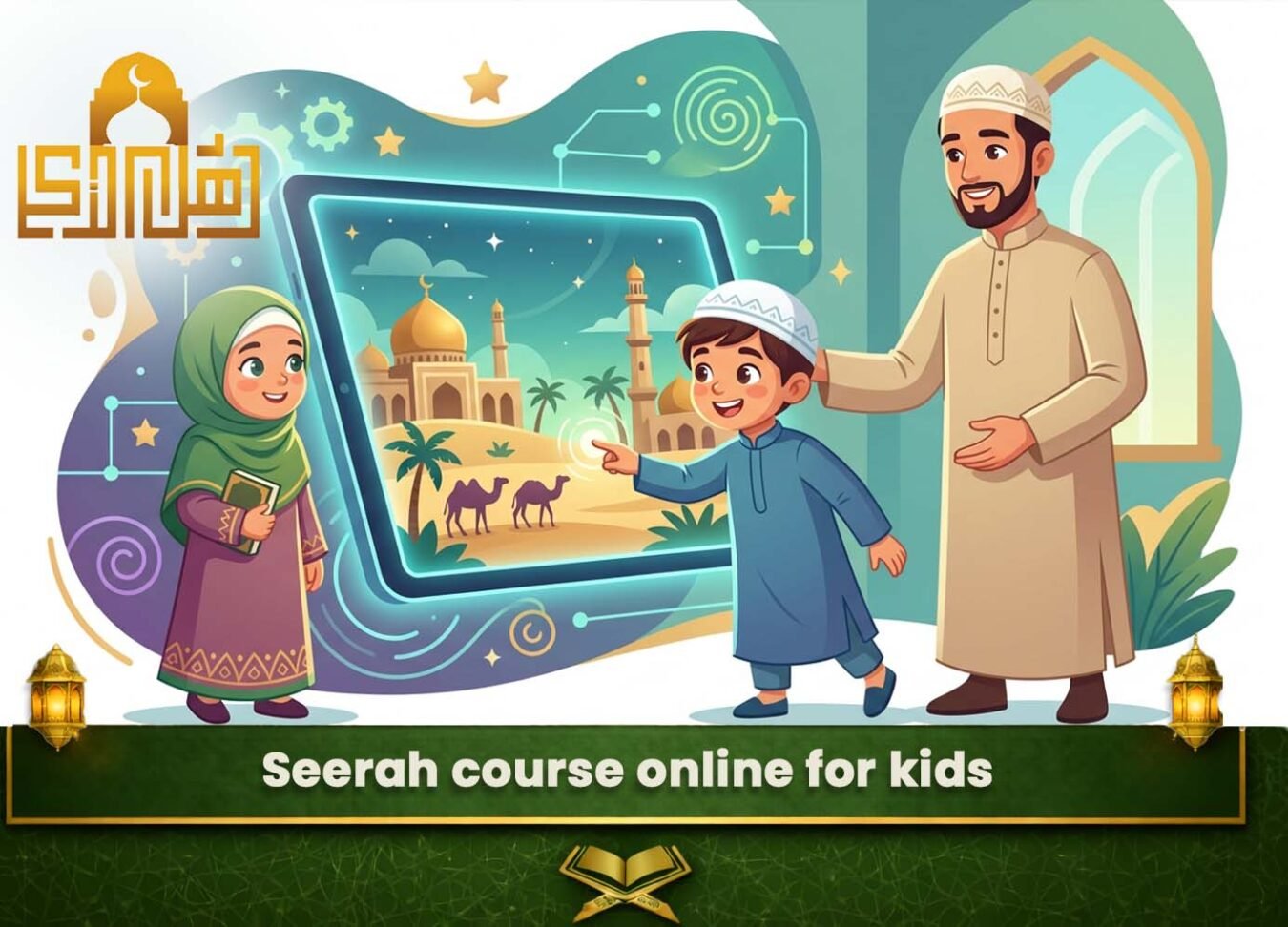
Stories from the Seerah are especially powerful for children because they are easy to understand and remember. Parents can turn these stories into bedtime lessons that inspire moral behavior.
The goal is not just knowledge, but transformation of character.
Read also: noorani qaida tutor
The Importance of Dua in a Child’s Life
Teaching children how to make Dua (supplication) builds a strong emotional and spiritual connection with Allah. Dua helps children understand that they can always turn to Allah in every situation.
Simple daily Duas such as:
- Before eating
- Before sleeping
- When leaving home
- When entering the mosque
These small practices help children build a habit of remembering Allah throughout their day. Over time, this becomes part of their identity.
Read also: online quran tutor for kids
Modern Approaches to Teaching Islam
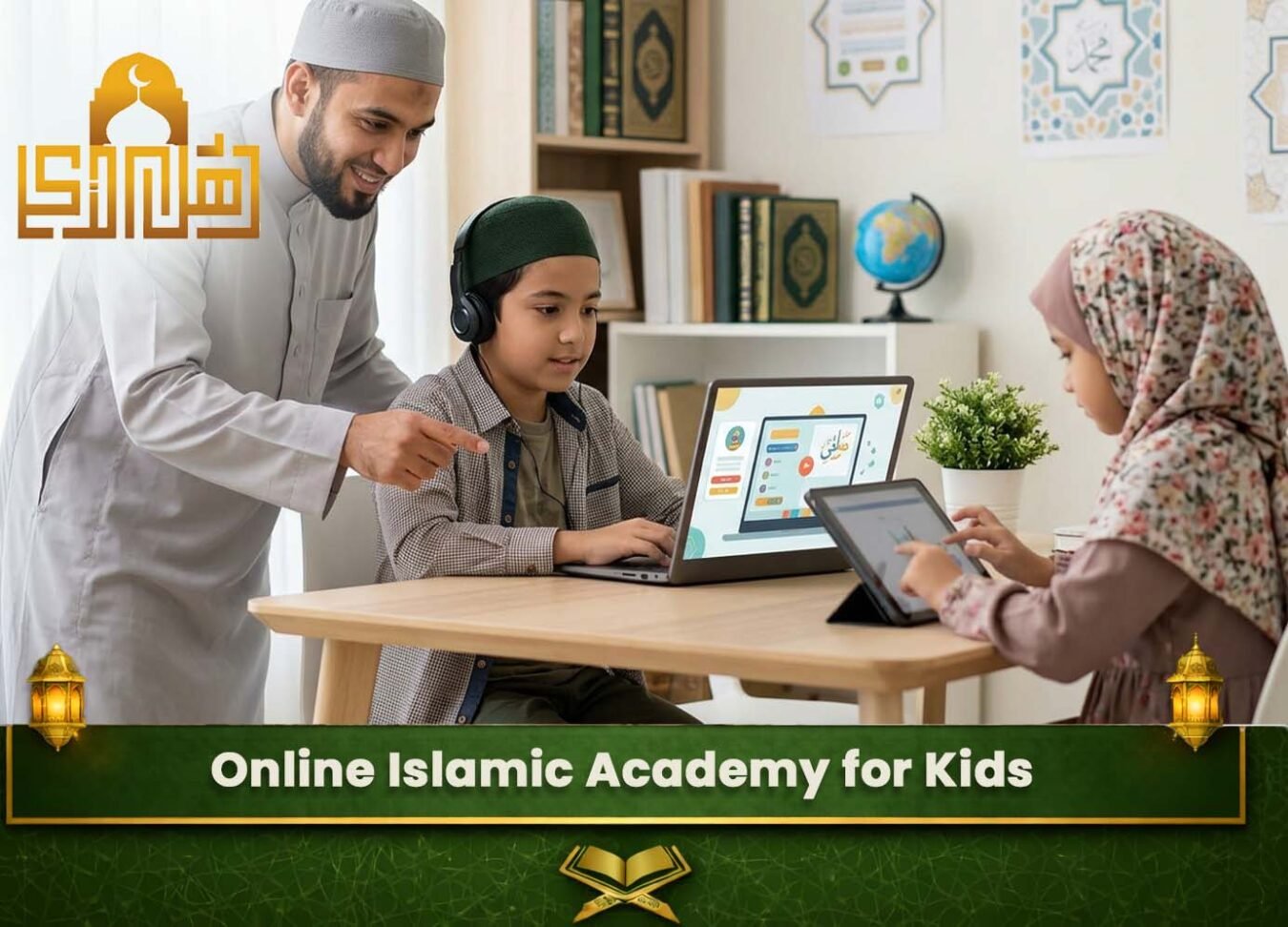
With the rise of technology, Islamic education has become more accessible than ever. Online learning platforms allow children to study from home with qualified teachers, making it easier for families with busy schedules.
Structured online learning offers:
- One-on-one attention
- Flexible schedules
- Interactive lessons
- Safe learning environments
One well-known example is Ahl Alzekr Quran Academy, which focuses on delivering high-quality Islamic education through personalized lessons for children. The academy emphasizes gradual learning, ensuring that students not only memorize but also understand what they are learning.
Another advantage of modern learning is that it allows parents to stay involved in their child’s progress, reinforcing lessons at home and building consistency.
Read also: best place to learn arabic
How Parents Can Support Their Children
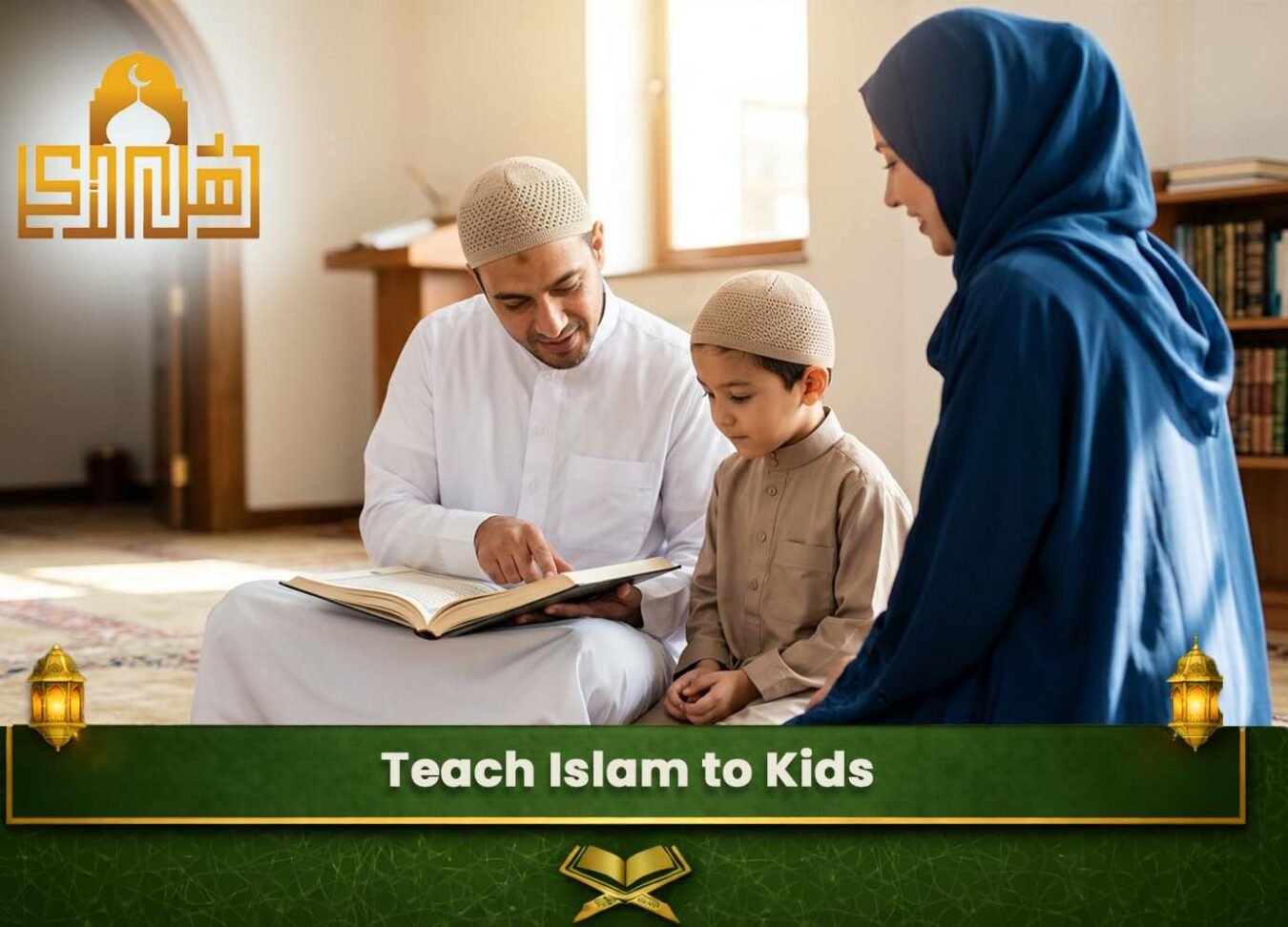
Parents play the most important role in a child’s Islamic education. No matter how advanced the curriculum is, the home environment remains the strongest influence.
Here are some effective ways parents can support learning:
1. Be a Role Model
Children learn more from what they see than what they hear. Practicing Salah on time, speaking kindly, and showing patience all leave a lasting impression.
2. Create a Learning Routine
Consistency is key. Even 15–20 minutes of daily Islamic study can make a big difference over time.
3. Use Stories and Conversations
Instead of formal lectures, use storytelling to explain Islamic values. Children respond better to narratives than abstract instructions.
4. Encourage Questions
Allow children to ask questions about Islam without fear. This builds curiosity and deeper understanding.
Read also: Noorani Qaida with Tajweed
Common Challenges in Teaching Islamic Studies
Parents often face challenges when trying to teach Islam to their children. Some of the most common include lack of time, difficulty in simplifying concepts, and maintaining children’s interest.
The solution is not pressure but creativity. Using visuals, stories, and interactive learning methods can make a huge difference. Also, structured programs such as those offered by Ahl Alzekr Quran Academy can help bridge the gap between traditional learning and modern needs.
Read also: seerah course online
for kids
The Long-Term Impact of Islamic Education
When children are raised with strong Islamic values, the effects last throughout their lives. They grow into adults who are:
- Emotionally balanced
- Spiritually connected
- Morally responsible
- Confident in their identity
Islamic education does not only prepare children for religious practice but also equips them with life skills such as discipline, respect, and empathy.
This is why investing in proper education during childhood is so important. It builds a foundation that supports both this life and the hereafter.
At the heart of this journey, structured programs and consistent guidance play a key role in ensuring success.
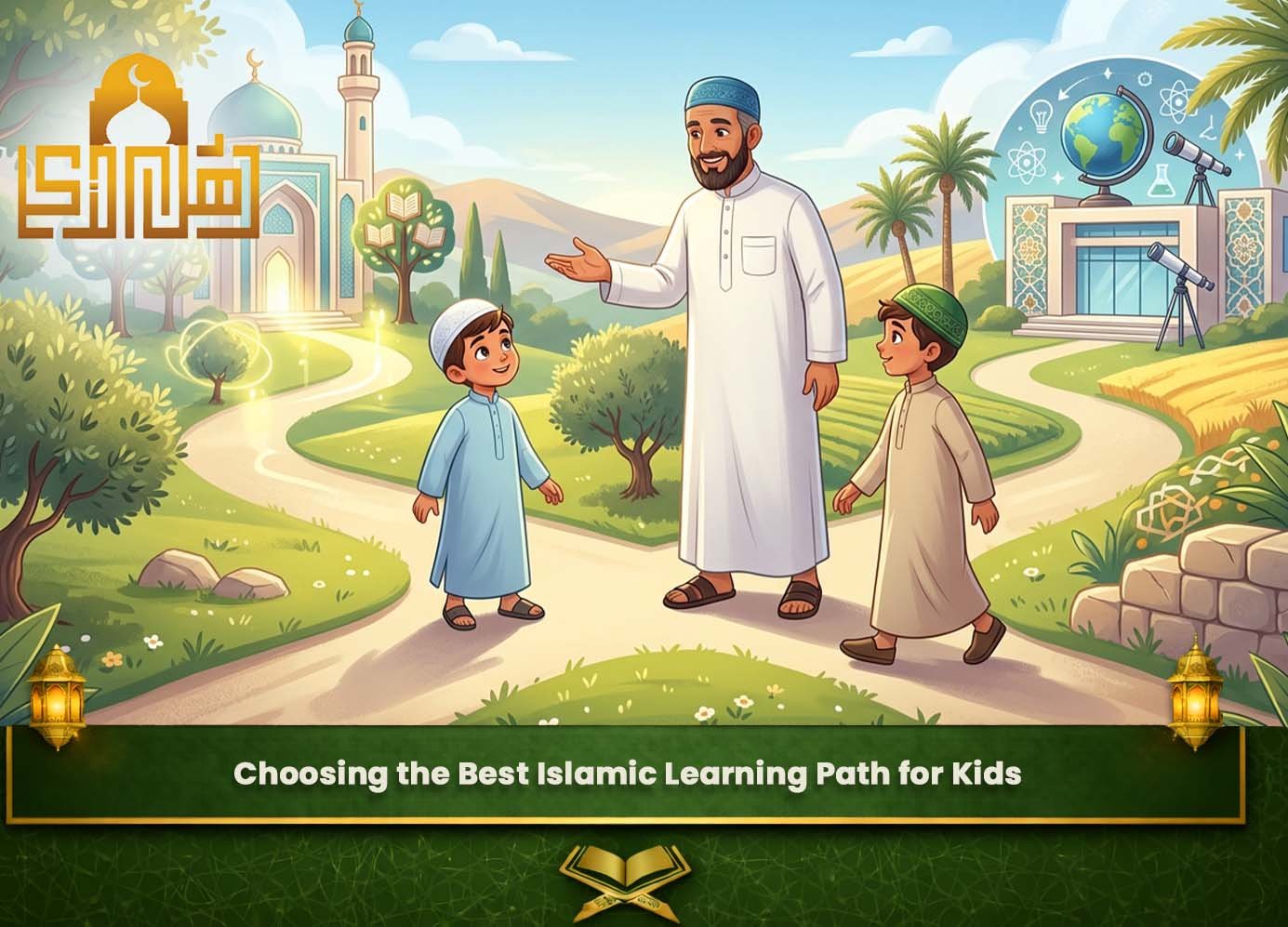
Choosing the Best Islamic Learning Path for Kids
Islamic studies for kids
Choosing the right learning path for children is essential for building a strong Islamic foundation that shapes their character and faith for life. Every child learns differently, so parents should understand whether their child prefers visual learning, listening, repetition, or practical activities. This helps in selecting the most effective method for better understanding and engagement.
Islamic education can be taught through home learning or structured online programs. Each method can be effective when applied consistently. The main goal is not only memorization but also understanding and applying Islamic teachings in daily life.
With proper guidance, children begin to reflect what they learn in their behavior. They show respect, perform prayers regularly, and develop good manners. This makes Islamic learning a natural part of their personality and helps them grow with strong values and discipline.
Frequently Asked Questions (FAQ)
is a section that includes the most common questions along with clear and concise answers to help users quickly understand the information.
1. At what age should children start learning Islamic studies?
Children can begin learning basic Islamic values as early as preschool age through simple stories, prayers, and daily habits.
2. How can parents make Islamic learning interesting for kids?
Using storytelling, visuals, games, and short interactive lessons helps keep children engaged and motivated.
3. Is online learning effective for Islamic education?
Yes, when structured properly with qualified teachers, online learning can be highly effective and flexible for children.
In conclusion, choosing the right learning path for children plays a vital role in shaping their Islamic identity and moral character. When parents understand their child’s learning style and provide consistent guidance, Islamic education becomes more effective and meaningful.
Whether through home learning or structured programs, the focus should always be on understanding, practice, and good behavior. With the right approach, children grow up with strong faith, good manners, and a deep connection to Islamic values that stay with them throughout their lives.