Teach islam to kids is one of the most meaningful responsibilities for Muslim parents and educators who want to build a strong foundation of faith, identity, and character in the next generation.
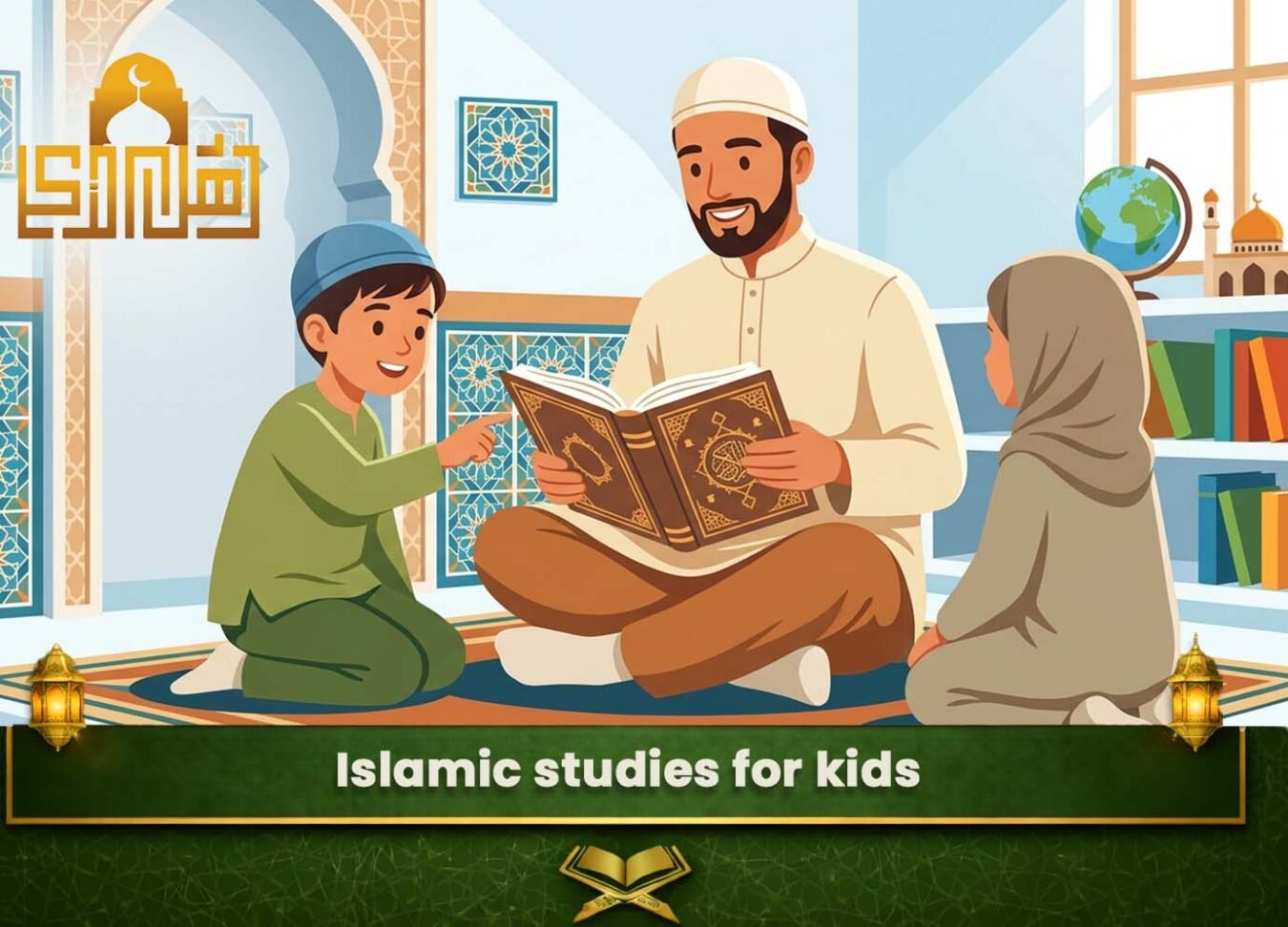
Teaching Islam to children is not just about memorization or information delivery. It is about shaping hearts, building habits, and creating a lifelong connection with Allah in a way that matches a child’s age, understanding, and emotional development. When done correctly, it becomes a natural part of daily life rather than a burden or forced lesson.
In modern times, many parents struggle with how to approach Islamic education in a balanced and practical way. The goal is not perfection, but consistency, love, and clarity.
Children learn best when Islam is presented through stories, daily routines, and lived example rather than strict instruction alone. For families seeking structured guidance and professional support, Ahl Alzekr Quran Academy provides organized learning paths that help make Islamic education more consistent and effective at home.
Why Early Islamic Education Matters
Teach Islam to Kids
Early childhood is the most powerful stage for shaping beliefs and behavior. Between the ages of 3 and 12, children develop their sense of identity, values, and worldview. This makes it the ideal time to introduce Islamic teachings in a simple and engaging way.
At this stage, children do not need complex theological explanations. Instead, they need repetition, storytelling, and emotional connection. Saying phrases like Bismillah before eating or Alhamdulillah after finishing a task builds spiritual awareness naturally over time.
Islamic education during childhood also protects identity. Children growing up in diverse environments often face confusion about values and belonging. A strong foundation in Islam helps them feel confident in who they are and what they believe.
Families who prioritize early learning often find that their children develop stronger discipline, better manners, and a clearer sense of purpose.
A supportive learning environment like Ahl Alzekr Quran Academy can also help parents who need structured guidance and professional teaching support for their children.
Online Quran Academy
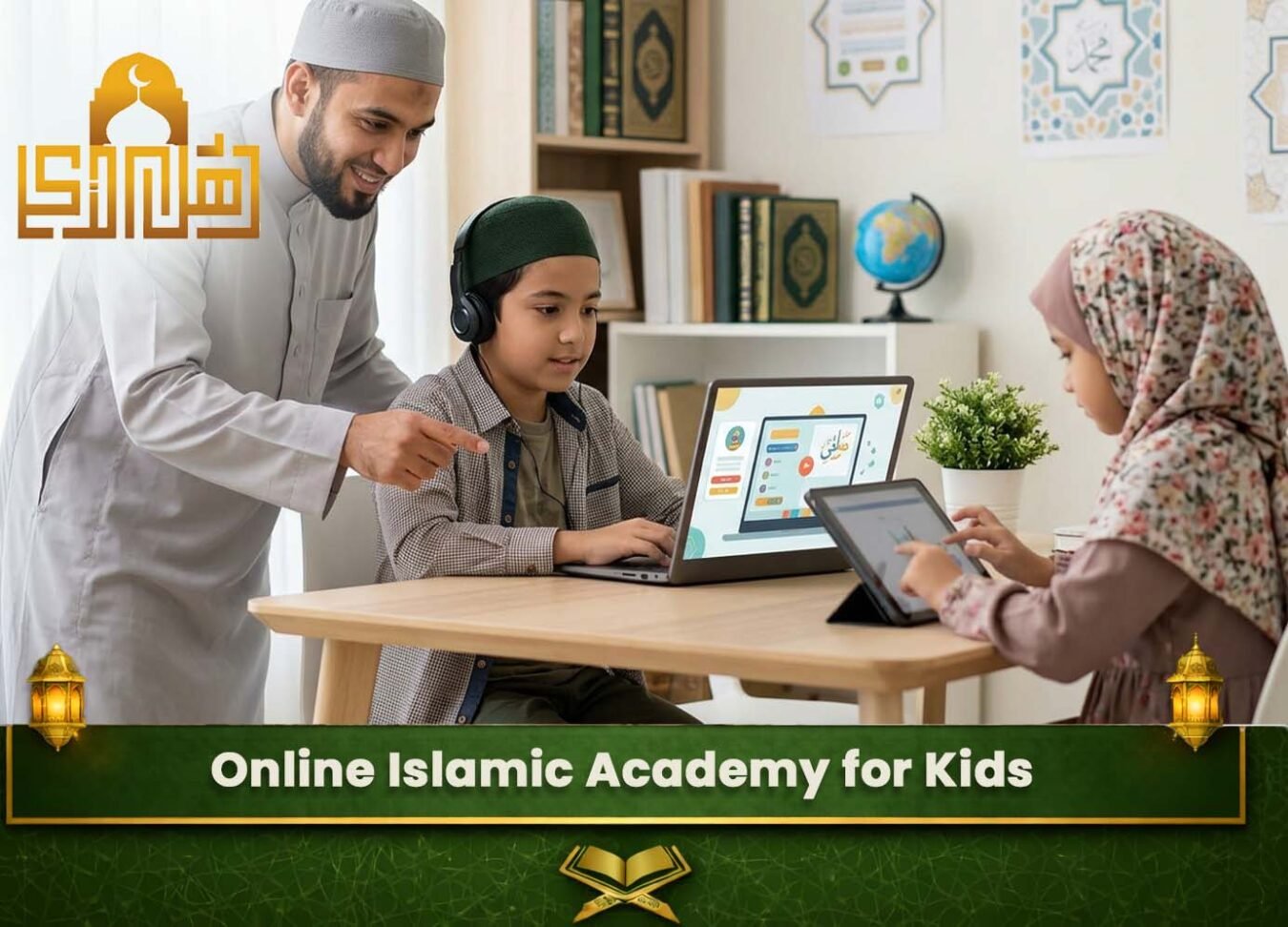
An online Quran academy is one of the most effective ways to learn the Holy Quran with flexibility, structure, and expert guidance. It allows students of all ages to study recitation, memorization, and Islamic knowledge from home without time or location limits.
This method is especially helpful for children and busy families who need consistent learning. One trusted platform is Ahl Alzekr Quran Academy, which offers structured lessons that help students improve recitation, understand meanings, and build a strong connection with the Quran through regular and guided practice.

teach islam to kids
Core Foundations of Islamic Learning for Children
Islam is built upon two essential pillars of belief and practice: the Five Pillars of Islam and the Six Articles of Faith. These form the backbone of any Islamic education program.
The Five Pillars in Simple Understanding
Children should be introduced to the Five Pillars gradually:
- Shahada (Faith Declaration): Teach children that Allah is the One God and Prophet Muhammad is His messenger through repetition and simple meaning.
- Salah (Prayer): Begin with observation, then imitation, and later structured practice.
- Zakat (Charity): Teach sharing through small savings and giving habits.
- Sawm (Fasting): Introduce fasting in small, age-appropriate steps during Ramadan.
- Hajj (Pilgrimage): Use stories, visuals, and models to explain the global unity of Muslims.
These pillars should not be taught all at once. Instead, they should be introduced gradually as the child grows.
Structured programs like those offered by Ahl Alzekr Quran Academy help break these concepts into age-appropriate lessons that are easier for children to understand and apply in real life.
Read also: seerah course online
for kids
The Six Beliefs and Building Faith
Alongside practice, children must also understand belief. The Six Articles of Faith include belief in Allah, angels, revealed books, prophets, the Day of Judgment, and divine destiny.
These concepts should be taught using stories and examples rather than abstract definitions.
For example:
- Belief in Allah can start by asking “Who created the sky and trees?”
- Angels can be explained as unseen beings who carry out Allah’s commands.
- Prophets can be introduced through storytelling, especially the lives of Ibrahim, Musa, and Muhammad.
Children naturally respond to stories, making this method far more effective than memorization alone.
At this stage, consistency matters more than depth. Repeating simple ideas daily builds understanding over time.
Read also: Noorani Qaida with Tajweed
Age-Based Approach to Teaching Islam
Children learn differently depending on their developmental stage. A structured approach ensures that learning is both effective and enjoyable.
Ages 3–5: Learning Through Play
At this stage, children learn through imitation and sensory experiences. Focus on:
- Saying simple duas before eating and sleeping
- Watching parents pray
- Repeating short phrases like Alhamdulillah
- Listening to Quran recitation
The goal is familiarity, not mastery.
Ages 6–9: Story-Based Learning
Children begin to understand stories and moral lessons. This is the best stage for:
- Prophet stories
- Basic prayer practice
- Islamic manners (adab)
- Simple Quran memorization
Engaging storytelling makes Islamic values memorable and emotionally meaningful.
Ages 10–12: Responsibility and Reflection
At this stage, children can begin to think critically. Focus on:
- Understanding meanings of prayer
- Learning short tafsir (explanations of Quran)
- Developing personal responsibility in worship
- Asking questions and discussing answers
This is also where consistency in worship begins to form.
Teenagers: Identity and Independence
Teenagers need deeper understanding and trust. Instead of strict instruction, they need dialogue, mentorship, and real-life relevance.
Topics should include:
- Purpose of life in Islam
- Modern challenges and Islamic ethics
- Social responsibility
- Personal relationship with the Quran
Programs from Ahl Alzekr Quran Academy are often designed to support this stage through structured mentorship and guided learning.
Read also: best place to learn arabic
Practical Activities That Make Learning Engaging
Children learn better through action than theory. Here are some effective methods:
- Prophet Story Role Play: Acting out stories helps children remember moral lessons.
- Dua Jar: Writing and collecting daily supplications builds consistency.
- Prayer Charts: Visual tracking encourages daily prayer habits.
- Charity Boxes: Teaching giving through real-life practice.
- Quran Art: Connecting creativity with spiritual meaning.
These activities turn Islamic learning into a positive and enjoyable experience rather than a strict academic subject.
Read also: online quran tutor for kids
Common Challenges Parents Face
Common challenges parents face include lack of time, difficulty maintaining consistency, limited Islamic knowledge, and keeping children engaged and interested in learning.
Lack of Time
Even a few minutes daily can make a big difference. Short, consistent lessons are more effective than long, irregular sessions.
Child Losing Interest
Change the method, not the message. Switch from reading to storytelling or activities if engagement drops.
Parents Feeling Unprepared
No parent needs to be a scholar. Learning alongside children creates a stronger emotional bond and a more authentic learning environment.
Resistance to Worship
Forcing practices can create negativity. Instead, encourage gradual exposure and positive association.
Support systems like Ahl Alzekr Quran Academy can help parents overcome these challenges through structured guidance and expert teachers.
Read also: noorani qaida tutor
The Role of Consistency in Islamic Education
Consistency is more important than intensity. A small daily habit builds stronger results than occasional long lessons. Saying Bismillah before meals or reading one short story daily can shape a child’s entire spiritual foundation over time. Parents should focus on progress, not perfection. Children do not need flawless teaching; they need steady exposure to faith, values, and love for Allah.
Repetition and routine help Islamic teachings become part of a child’s identity rather than something memorized temporarily. Even a few minutes each day can create lasting impact when done with sincerity and patience. This is why many families rely on guided programs such as Ahl Alzekr Quran Academy to maintain structure and consistency in learning.
Over time, this approach strengthens discipline, improves retention, and helps children develop a natural connection with Islamic practices in everyday life. Consistency also builds confidence in parents and supports long-term spiritual growth for children together.
Benefits of Structured Support in Teaching Islam to Children
Teach Islam to Kids
While parents play the most important role in teaching Islam, structured educational systems add clarity, organization, and expertise that make learning more effective and easier to manage in daily life. They help ensure children receive consistent, age-appropriate guidance.
- Break down complex Islamic concepts into simple, easy-to-understand lessons that children can absorb gradually
- Provide age-appropriate teaching methods that match children’s cognitive and emotional development stages
- Ensure consistent progress through a structured curriculum that builds knowledge step by step
- Support parents who lack formal Islamic education by giving them clear guidance and confidence
This combination of home involvement and structured instruction creates a balanced learning environment where children benefit from both emotional support and accurate knowledge. It strengthens daily practice, improves understanding, and helps families stay consistent. Over time, this approach builds strong Islamic identity, better habits, and a deeper connection to faith that lasts into adulthood and spiritual growth overall development.
section includes the most common questions along with clear and concise answers to help users quickly understand key information.
1. At what age should Islamic education start?
Islamic education can begin as early as age 3 through simple habits such as learning short duas, listening to the Qur’an, and gradually observing daily prayers.
2. How can I teach Islam if I am not knowledgeable?
Parents can learn alongside their children using structured resources and guided programs that simplify Islamic concepts.
3. What is the best way to keep children interested in Islam?
Use storytelling, activities, and real-life examples instead of only lectures or memorization to maintain engagement.
In conclusion, teaching Islam to children is a continuous process of building faith, character, and good behavior. Parents play the main role in nurturing Islamic values, while structured learning support provides clear guidance and organized lessons suitable for each age.
When home education is combined with guided teaching, children gain a stronger understanding of Islam and apply it in daily life. This balanced approach also helps parents feel more confident, leading to consistent learning and the development of a strong, stable Muslim identity over time.